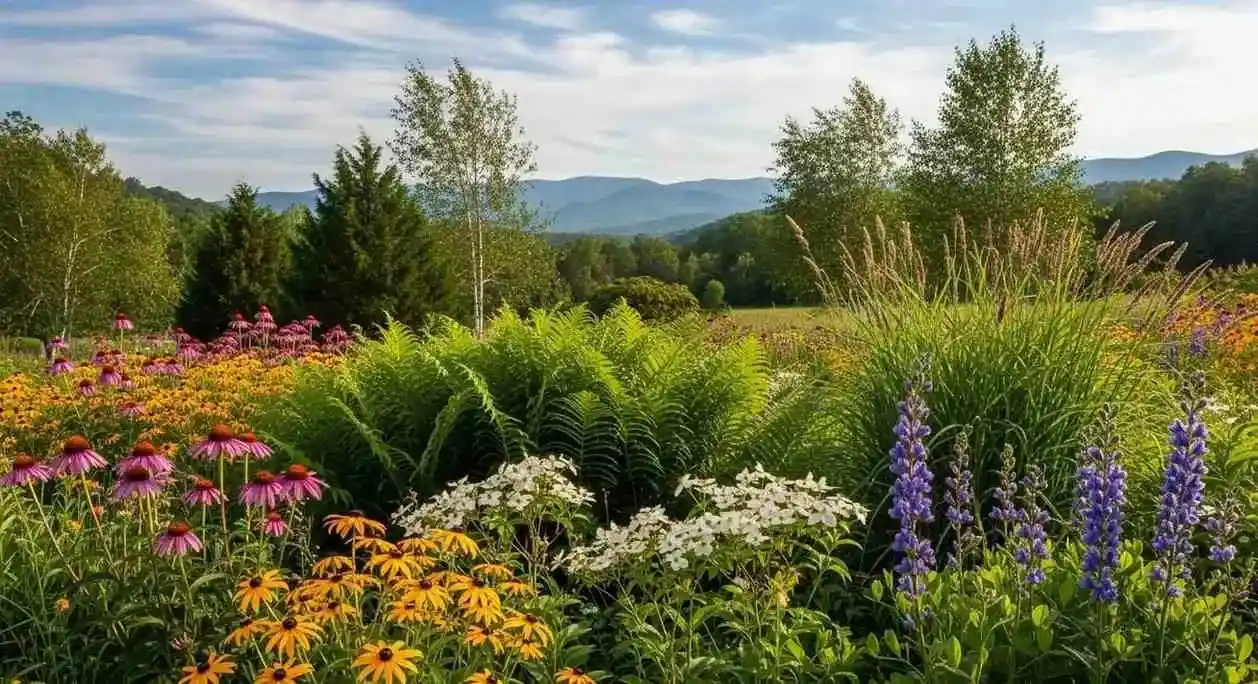
Discover native Virginia plants that thrive in the Shenandoah Valley, perfect for low-maintenance landscaping and eco-friendly, resilient garden designs.
If you’ve lived in the Shenandoah Valley for any length of time, you know that our dirt—that thick, stubborn Virginia clay has a personality of its own. In the heat of July, it bakes into something resembling a brick; by April, it’s a heavy, water-logged sponge.
For many homeowners in Winchester and Frederick County, the weekend ritual involves a constant battle: fighting the soil, fighting the humidity, and fighting the deer just to keep a few exotic shrubs alive.
At Morrisons Lawn Care LLC, we believe landscaping shouldn’t feel like a second job. The secret to a gorgeous, resilient yard isn’t found in a bag of high-nitrogen fertilizer or a complex irrigation system. It’s actually much simpler: it’s about going back to the roots. By choosing native Virginia plants, you aren’t just “planting a garden.” You’re restoring a piece of the Valley’s natural heritage.
You’re choosing regionally adapted plant species that have spent thousands of years learning how to thrive right here in our specific climate.
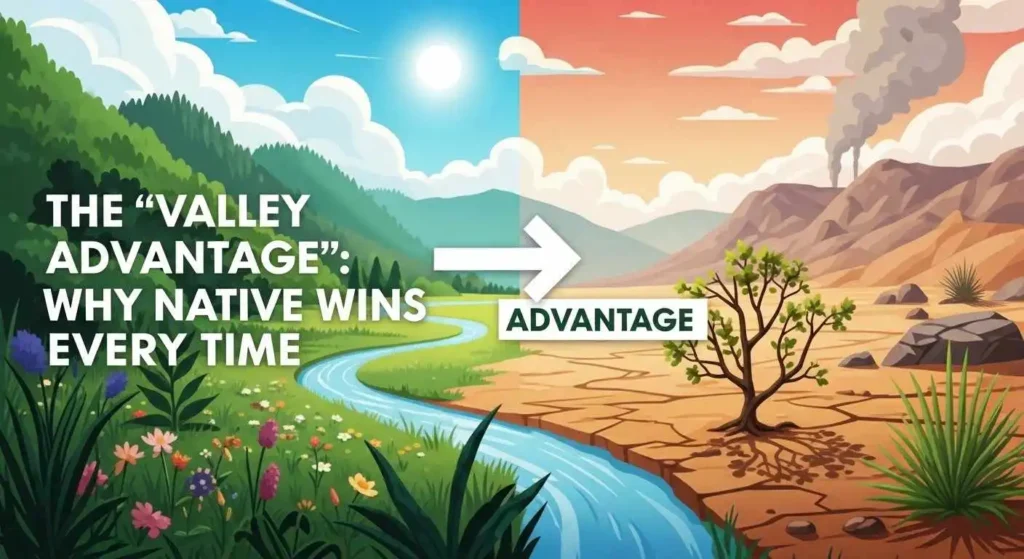
The “Valley Advantage”: Why Native Wins Every Time
When we talk about indigenous plants for low-maintenance landscaping in VA, we aren’t just using buzzwords.
There are practical, wallet-friendly reasons to ditch the temperamental nursery imports in favor of local stars.
1. They Speak the Language of Our Soil
Most “big box” plants are bred for generic potting soil. When they hit our Shenandoah clay, they struggle to breathe.
However, native Virginia garden plants like the Wild Bergamot or Joe-Pye Weed have deep, aggressive root systems designed specifically for clay soil plant compatibility.
They break up the earth, improve drainage, and actually make your soil healthier over time.
2. Climate Resilience is Built-In: Native Virginia Plants
The Shenandoah Valley climate conditions are famous for their mood swings. We get late-spring frosts, humid “dog days” of summer, and dry autumns.
Climate-resilient plants native to our woods and meadows have a genetic memory of these cycles.
While a Japanese Maple might scorch in a dry Winchester August, a native Service berry or Eastern Redbud will stand its ground, unfazed.
3. A Buffet for the Good Guys: Native Virginia Plants
A sterile, green lawn is a desert for local wildlife. By incorporating pollinator-friendly plants, you’re creating a “refueling station” for the bees, butterflies, and songbirds that make the Valley so special.
This isn’t just about aesthetics; it’s about biodiversity support. When you plant Common Milkweed, you are directly helping the Monarch butterfly migration.
When you plant Goldenrod, you’re feeding the native bees that pollinate our local apple orchards.
Best Native Plants for Winchester, VA Yards
Choosing the right plant for the right spot is the difference between a landscape that thrives and one that just survives. Here are our top picks for local plant species in the Shenandoah Valley:
The Shade-Lovers (Under the Oaks): Native Virginia Plants
If your yard is tucked under a canopy of old hardwoods, you need plants that appreciate the dappled light.
- Wild Columbine (Aquilegia canadensis): These red and yellow bell-shaped flowers are hummingbird magnets. They love the rocky slopes and shaded corners of the Valley.
- Christmas Fern: A hardy evergreen that stays green even in the snow, providing much-needed winter structure.
The Sun-Seekers (Open Meadow Vibes): Native Virginia Plants
For those wide-open Winchester yards that soak up the afternoon sun:
- Black-eyed Susan (Rudbeckia hirta): The quintessential native wildflower of Virginia. They are incredibly drought-tolerant and will bloom their hearts out from June until the first frost.
- Purple Coneflower (Echinacea purpurea): Tough, beautiful, and medicinal. These are “plant-it-and-forget-it” heroes.
The “Deer-Resistant” Squad: Native Virginia Plants
Let’s be honest: the deer population in Frederick County is… enthusiastic. While no plant is 100% “deer-proof” if they are hungry enough, these deer-resistant native species are usually at the bottom of their menu:
- Aromatic Aster: A late-season bloomer that smells lovely to us but is unappealing to deer.
- American Beautyberry: Provides stunning purple berries in the fall that birds love, but the foliage is generally left alone by grazing deer.
Rethinking the Lawn: Tall Fescue Alternatives
We get it—everyone loves a patch of green for the kids or the dog to play on. But maintaining a traditional lawn in Virginia often feels like a losing game against crabgrass and clover.
If you have areas of your yard that are difficult to mow or simply won’t grow grass, consider Tall Fescue lawn alternatives.
Native sedges, like Pennsylvania Sedge, look like grass but require almost zero mowing. Integrating sustainable landscaping practices like “meadow-scaping” in your back-acreage can save you hours of tractor time every month.
Designing with the Seasons in Mind
One of the biggest mistakes we see in DIY landscaping is “One-Season Wondering”—where the yard looks great in May but is brown by July. An eco-friendly yard design focuses on seasonal blooming cycles.
- Spring: Start with Virginia Bluebells and Flowering Dogwoods.
- Summer: Lean on Bee Balm and Coreopsis for high-impact color.
- Fall: This is the time for Blazing Star (Liatris) and native grasses like Little Bluestem, which turns a gorgeous bronze-orange.
- Winter: Use the structural silhouettes of Winterberry (which has bright red berries) to keep the yard from looking “flat” during the cold months.
Practical Steps for Your Native Transition
If you’re ready to move toward a low-maintenance native garden, don’t feel like you have to rip out everything at once. At Morrisons Lawn Care, we recommend a phased approach:
- Identify Your Micro-Climates: Where does the water sit after a rain? (That’s your spot for rainwater-efficient plants or a rain garden). Which side of the house gets baked by the 4:00 PM sun?
- Start with the Perimeter: Replace that struggling, non-native hedge with Virginia Sweetspire or Arrowwood Viburnum.
- Mulch Heavily (Initially): While your native plants are getting established, a good layer of organic mulch will help suppress weeds and retain moisture in that heavy clay.
- Embrace the “Messy” Middle: Native gardens look a little different than the manicured, “plastic” look of suburban malls. They have movement, texture, and life.
Why Local Expertise Matters: Native Virginia Plants
You can buy “wildflower mixes” online, but many of them contain seeds that aren’t actually native to Virginia. They might even contain invasive species that can harm our local ecosystem.
Working with a team that understands the Shenandoah Valley landscape ensures that you’re putting the right plant in the right place.
We know which species can handle the wind on the ridges and which ones can survive the soggy bottoms near the creeks.
Sustainable landscaping isn’t just a trend; it’s a way to ensure that the beauty of the Winchester area remains for the next generation.
It’s about building a yard that works with the environment, not against it. It’s about spending your Saturday morning enjoying the sight of a Goldfinch on a coneflower rather than wrestling with a weed-whacker.
Let’s Build Your Valley Sanctuary
At Morrisons Lawn Care LLC, we’re passionate about helping our neighbors discover the effortless beauty of Virginia’s native flora.
From soil testing to full-scale eco-friendly yard design, we’ve got the tools and the local knowledge to make your vision a reality.
Whether you’re looking to reduce your water bill with drought-tolerant native plants or you want to create a buzzing pollinator garden for the kids to explore, we’re here to help you grow.